
NRNP 6552 Week3 Case Study Assignment: Gynecologic Health
Nadine is a 22-year-old woman presenting for a preventive gynecologic visit and contraceptive counseling. Her history includes systemic lupus erythematosus, prior pulmonary embolism, obesity, dysmenorrhea, sickle cell trait, and previous chlamydia. She is sexually active with one partner and relies on withdrawal despite inconsistent protection against pregnancy and sexually transmitted infections. Current medications include immunosuppressive therapy, anticoagulation, and cardiovascular risk management. Examination findings are largely normal, pregnancy testing is negative, and vital signs are stable. According to Fantasia et al. (2024), comprehensive assessment requires evidence-based contraceptive selection, screening for sexually transmitted infections, cardiovascular risk reduction, and health promotion. Care should prioritize safe pregnancy prevention, minimize thromboembolic risk, address lifestyle contributors to chronic disease, reinforce preventive screening, support informed reproductive decision-making, encourage treatment adherence, and optimize health.
| Outline Subjective data.
Don't use plagiarized sources. Get Your Custom Essay on
NRNP 6552 Week3 Case Study Assignment: Gynecologic Health
Just from $7/Page
Identify data provided in your chosen case and any additional data needed. |
Outline
Objective findings.
Identify findings provided in your chosen case and any additional data needed. |
Identify diagnostic tests, procedures, laboratory work indicated.
Describe the rationale for each test or intervention with supporting references. |
Distinguish at least three differential diagnoses.
Describe the rationales for your choice of each diagnosis with supporting references. |
Identify appropriate medications, treatments or other interventions associated with each differential diagnosis.
Describe rationales and supporting references for each.
|
Explain key
Social Determinants of Heath (SDoH) for your chosen case. |
Describe collaborative care referrals and patient education needs for your chosen case.
Describe rationales and supporting references for each.
|
| Nadine presents for a well-woman exam, expressing interest in contraception. She is sexually active with her boyfriend, does not use condoms, and has a history of chlamydia infection. Her menstrual cycles are regular, lasting five days with moderate flow. She denies alcohol or recreational drug use but vapes daily, consumes fast food and sodas, and does not exercise. She lives with her sister and has no children. Additional subjective data needed include reproductive goals, contraceptive preferences, and understanding of risks associated with lupus and anticoagulation. Screening for intimate partner violence is recommended, as preventive guidelines emphasize the importance of identifying psychosocial risks during routine care (Centers for Disease Control and Prevention [CDC], n.d.). Clarifying adherence to medications and knowledge of safe sexual practices is essential. Addressing her readiness for lifestyle changes aligns with preventive health objectives. This comprehensive subjective evaluation ensures informed contraceptive counseling and preventive health planning. | Nadine’s vital signs are stable: BP 133/68, pulse 87, respiratory rate 18, temperature 98.2°F. Her BMI is 32.3, classifying her as obese. She is pleasant, oriented, and cooperative. Skin is warm, dry, and intact. Abdominal exam is normal, with soft, non-tender findings and active bowel sounds. Gynecologic exam reveals normal external genitalia, no discharge, lesions, or cervical motion tenderness. Bimanual exam shows a normal-sized, firm, non-tender uterus with no adnexal masses. The breast exam is normal. The pregnancy test is negative. Additional objective data needed include lipid profile, liver function tests, and coagulation studies, given her medications. Pap smear and STI screening are indicated. Bone density testing may be warranted due to chronic steroid use. Preventive screenings are emphasized in primary care practice to ensure early detection of complications and safe contraceptive counseling (American Association of Nurse Practitioners [AANP], 2020). These findings provide a baseline for safe contraceptive planning and align with best practice standards.
|
Recommended diagnostics include a Pap smear to screen for cervical dysplasia, consistent with clinical guidelines. STI screening for gonorrhea, chlamydia, HIV, and syphilis is indicated due to prior infection and current unprotected intercourse. A lipid panel and liver function tests are necessary to monitor atorvastatin and immunosuppressive therapy. Coagulation studies and CBC should be obtained to evaluate anticoagulation status with Eliquis and assess for anemia. Bone density testing may be considered due to chronic prednisone use. Urinalysis may help rule out infection. Preventive screenings are emphasized to reduce the burden of chronic disease and improve reproductive health outcomes (Healthy People 2030, 2020). These diagnostics provide a thorough assessment of reproductive and systemic health, ensuring safe contraceptive selection. Integrating laboratory and preventive screenings aligns with best practice standards for well-woman care and supports multidisciplinary management. Such a comprehensive approach ensures that Nadine’s systemic conditions are monitored while effectively addressing her reproductive health needs. | Three differential diagnoses include: (1) Contraceptive counseling in high-risk patient: Nadine’s history of pulmonary embolism and lupus contraindicates estrogen-containing methods, requiring safer alternatives. (2) Obesity-related reproductive health concerns: With a BMI of 32.3, obesity increases risks of menstrual irregularities, infertility, and cardiovascular disease, requiring integrated management. (3) Sexually transmitted infection risk: Despite prior chlamydia treatment, continued unprotected intercourse places her at risk for reinfection and sequelae such as pelvic inflammatory disease. These differential considerations highlight the need for individualized contraceptive planning, lifestyle counseling, and preventive screening. Nursing practice emphasizes holistic approaches that integrate psychosocial and physical health, ensuring that care addresses both systemic illness and reproductive needs (American Nurses Association [ANA], n.d.). Addressing these differentials ensures safe contraceptive options while promoting long-term gynecologic and systemic health outcomes. Each diagnosis is supported by her medical and social history, emphasizing the importance of integrating systemic illness, reproductive health, and behavioural risk factors. | For contraception, estrogen-containing methods are contraindicated due to Nadine’s thromboembolic history. Progestin-only options such as the levonorgestrel IUD or etonogestrel implant are safer alternatives. Barrier methods should be encouraged to reduce STI risk, particularly given her history of chlamydia and current unprotected intercourse. For obesity-related concerns, lifestyle interventions including nutrition counseling and structured exercise programs are recommended. Pharmacologic management of obesity may be considered if lifestyle changes are insufficient. Current medications such as Eliquis require monitoring to prevent complications, and bone health should be supported with calcium and vitamin D supplementation due to chronic steroid use. Patient-centered interventions are emphasized, ensuring that treatments address both medical and psychosocial needs (American College of Obstetricians and Gynecologists [ACOG], 2020). Each intervention is evidence-based, integrating pharmacologic safety, preventive care, and lifestyle modification to optimize reproductive and systemic health outcomes for Nadine. This comprehensive approach ensures safe contraceptive planning and long-term health promotion. | Nadine’s case illustrates several social determinants of health. She lives with her sister, suggesting social support but limited independence. Her poor diet and lack of exercise reflect barriers to healthy lifestyle choices, possibly related to socioeconomic factors such as access to nutritious food and safe environments for physical activity. Daily vaping indicates behavioral risk and potential nicotine dependence, requiring targeted counseling. Her sexual practices, including unprotected intercourse, highlight gaps in health literacy and preventive behaviors. Family history of sickle cell and hypertension increases her genetic risk profile. Employment and financial status are not provided but may influence access to care and adherence. Addressing social determinants is essential to improving health equity and outcomes (Healthy People 2030, 2020). Integrating SDoH into her care plan ensures a holistic approach, recognizing that medical management alone is insufficient without addressing underlying social and behavioral influences. This comprehensive strategy supports both reproductive and systemic health. | Collaborative care should involve referrals to rheumatology for lupus management, hematology for anticoagulation monitoring, and nutrition services for obesity counseling. Gynecology referral is essential for contraceptive planning, ensuring safe options given her thromboembolic history. Mental health support may address psychosocial stressors and promote adherence. Patient education should emphasize risks of estrogen-containing contraceptives, the importance of barrier protection for STI prevention, and lifestyle modifications to reduce obesity-related complications. Counseling on vaping cessation is critical to improve cardiovascular and pulmonary health. Education should be tailored to her literacy level and use culturally appropriate resources. Nursing advocacy supports patient empowerment through education and collaboration across specialties (ANA, n.d.). This integrated approach ensures comprehensive management that aligns with evidence-based standards of care. In combining specialty expertise with patient-centered education, Nadine can make informed decisions that promote reproductive health, prevent complications, and improve overall well-being. Collaborative care ensures that her complex medical and social needs are effectively addressed. |
Refences
American College of Obstetricians and Gynecologists (ACOG) (2020). https://www.acog.org/
American Nurses Association (ANA) (n.d.). https://www.nursingworld.org/
Centers for Disease Control and Prevention. (CDC) (n.d.). https://www.cdc.gov/
Fantasia, H. C., Harris, A. L., & Fontenot, H. B. (2024). Guidelines for Nurse Practitioners in Gynecologic Settings (13th ed.). Springer Publishing Company.NRNP 6552 Week3 Case Study Assignment: Gynecologic Health
HealthyPeople 2030. (2020). Healthy People 2030 Framework https://www.healthypeople.gov/2020/About-Healthy-People/Development-Healthy-People-2030/Framework
The American Association of Nurse Practitioners (AANP): What’s happening at your association. (2020). https://www.aanp.org/
CLICK HERE TO ORDER A PLAGIARISM-FREE PAPER
Gynecologic Health
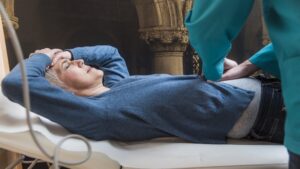
Case studies provide the opportunity to simulate realistic scenarios involving patients presenting with various health problems or symptoms. Such case studies enable nurse learners to apply concepts, lessons, and critical thinking to interviewing, screening, diagnostic approaches, as well as the development of treatment plans.
For this Case Study Assignment, you will analyze a case study scenario to obtain information related to a comprehensive well-woman exam and determine differential diagnoses, diagnostics, and develop treatment and management plans.
Resources
Be sure to review the Learning Resources before completing this activity.
Click the weekly resources link to access the resources.
To prepare:
- Review the 4 case studies in this week’s Learning Resources. Select one of the cases to prepare your written assignment.
- Review the Learning Resources for this week and pay close attention to the media program related to the basic microscope skills. Also, consider re-reviewing the media programs found in Week 1 Learning Resources.
- Carefully review the clinical guideline resources.
Assignment Instructions:
- Use the Case Study Template from the Learning Resources to complete the assignment. Your submission must include a brief case write-up, followed by the fully completed template, which must be integrated into the document rather than submitted separately.
- Include a title page, a case summary in your own words, the completed template, and a reference page formatted in APA style.
- Ensure your submission meets all criteria outlined in the template and rubric for completeness and accuracy.
Learning Resources
- Schuiling, K. D., & Likis, F. E. (2022). Gynecologic health care (4th ed.). Jones and Bartlett Learning.
- Chapter 10, “Women’s Health After Bariatric Surgery” (pp. 165 – 171)
- Curry, S. J., & U.S. Prevent Services Task Force. (2018). Screening for intimate partner violence, elder abuse, and abuse of vulnerable adults US preventive services task force final recommendation statementLinks to an external site.. JAMA , 320 (16), 1678–1687. https://doi.org/10.1001/jama.2018.14741
- Fanslow, J., Wise, M. R., & Marriott, J. (2019). Intimate partner violence and women’s reproductive healthLinks to an external site.. Obstetrics, Gynaecology & Reproductive Medicine, 29(12), 342–350. https://go.openathens.net/redirector/waldenu.edu?url=https://doi.org/10.1016/j.ogrm.2019.09.003
- Lockwood, C. J. (2019). Key points for today’s ‘well-woman’ exam: A guide for ob/gynsLinks to an external site.. Contemporary OB/GYN, 64(1), 23–29. https://search.ebscohost.com/login.aspx?direct=true&db=rzh&AN=134229869&site=ehost-live&scope=site&authtype=shib&custid=s6527200
- Document: Week 3 Case StudiesDownload Week 3 Case Studies (PDF)
- Document: Week 3 Case Study TemplateDownload Week 3 Case Study Template (Word document)
Clinical Guideline Resources
- American College of Obstetricians and Gynecologists (ACOG)Links to an external site.. (2020). https://www.acog.org/
- American Nurses Association (ANA)Links to an external site.. (n.d.). https://www.nursingworld.org/
- Centers for Disease Control and Prevention. (CDC)Links to an external site.. (n.d.). https://www.cdc.gov/
- HealthyPeople 2030. (2020). Healthy People 2030 FrameworkLinks to an external site.. https://www.healthypeople.gov/2020/About-Healthy-People/Development-Healthy-People-2030/Framework
- The American Association of Nurse Practitioners (AANP)Links to an external site.. What’s happening at your association. (2020). https://www.aanp.org/
- Gynecologic Health – Comprehensive Well-Woman Exam
Dr. Phyllis Morgan discusses the comprehensive well-woman exam and any pertinent information related to this topic (27 mins). - SeattlePTC (2015). Examination of Vaginal Wet Preps [Video]Links to an external site.. https://www.youtube.com/watch?v=8dgeOPGx6YI&t=3s
- Note: This media program is approximately 15 minutes.
- Note: As you review this video, consider this as a basic microscopy (yeast, BV).
- Hatcher, R. A., Nelson, A. L., Trussell, J., Cwaik, C., Cason, P., Policar, M. S., Kowal, D. (2018). Contraceptive technology (21st ed.). PDR Network, LLC.
Note: In Weeks 1-10, these resources are optional for your review. In Week 11, you will be required to review each of the PowerPoint slides from the text Gynecologic Health Care (4th ed.).
- Chapter 10, “Women’s Health After Bariatric Surgery”
NRNP_6552_Week3_Case_Study_Assignment_Rubric
| NRNP_6552_Week3_Case_Study_Assignment_Rubric | ||
| Criteria | Ratings | Pts |
| This criterion is linked to a Learning Outcome Analyzes subjective and objective data and outlines applicable diagnostic tests related to case studies. | 30 to >26.7 pts Excellent The response provides clear, complete, and comprehensive descriptions of subjective and objective case data, appropriately outlining all diagnostic tests, clinical procedures and pharmacological interventions.
26.7 to >23.7 pts Good The response provides clear, complete partial descriptions of the components of the subjective and objective case data, appropriately outlining most of the diagnostic tests, clinical procedures and pharmacological interventions. 23.7 to >20.7 pts Fair The response provides some components of the subjective and objective case data, but they are incomplete, vague or inaccurate, outlining some of the diagnostic tests, clinical procedures and pharmacological interventions. 20.7 to >0 pts Poor The response provides unclear or incomplete components of subjective and objective case data. The diagnostic tests, clinical procedures and pharmacological interventions are missing, incorrect, or inappropriately applied. |
30 pts |
| This criterion is linked to a Learning Outcome Identifies differential diagnoses related to case studies. | 30 to >26.76 pts Excellent The response contains at least 3 differential diagnoses relevant and applicable to the case.
26.76 to >23.7 pts Good The response contains at least 2 differential diagnoses relevant and applicable to the case. 23.7 to >20.7 pts Fair The response contains at least 1 differential diagnosis relevant and applicable to the case. 20.7 to >0 pts Poor The response contains few or no differential diagnoses and/or diagnoses are not relevant and applicable to the case. |
30 pts |
| This criterion is linked to a Learning Outcome Formulates a treatment plan related to case studies based on scientific rationale, evidence- based standards of care, and practice guidelines. Integrates ethical, psychological, physical, financial issues and Social Determinants of Health in plan. | 30 to >26.76 pts Excellent Formulates a thorough treatment plan including explanations of appropriate diagnostic tests and treatment options. Fully incorporates syntheses representative of knowledge gained from the resources for the module and current credible sources, with no less than 75% of the treatment plan having exceptional depth and breadth. Supported by at least 3 current peer- reviewed, references or professional practice guidelines.
26.76 to >23.7 pts Good Formulates a partially complete treatment plan including partial explanations of appropriate diagnostic tests and treatment options. Somewhat incorporates syntheses representative of knowledge gained from the resources for the module and current credible sources with no less than 50% of the treatment plan having exceptional depth and breadth. Supported by at least 3 current peer- reviewed, references or professional practice guidelines. 23.7 to >20.7 pts Fair Formulates a minimally complete treatment plan including incomplete or vague explanations of appropriate diagnostic tests and treatment options. Lacking in synthesis of knowledge gained from the resources for the module and current credible sources. Supported by at least 2 current peer- reviewed, references or professional practice guidelines. 20.7 to >0 pts Poor Formulates a treatment plan that contains incomplete explanations of appropriate diagnostic tests and treatment options and/ or explanations are missing. Lacks synthesis gained from the resources for the module and current credible sources. Supported by 1 or no current peer- reviewed, references or professional practice guidelines. |
30 pts |
| This criterion is linked to a Learning Outcome Written Expression and Formatting – English writing standards:
Correct grammar, mechanics, and proper punctuation |
5 to >4.45 pts Excellent Uses correct grammar, spelling, and punctuation with no errors.
4.45 to >3.95 pts Good Contains a few (1 or 2) grammar, spelling, and punctuation errors. 3.95 to >3.45 pts Fair Contains several (3 or 4) grammar, spelling, and punctuation errors. 3.45 to >0 pts Poor Contains many (≥ 5) grammar, spelling, and punctuation errors that interfere with the reader’s understanding. |
5 pts |
| This criterion is linked to a Learning Outcome Written Expression and Formatting – The paper follows correct APA format for title page, headings, font, spacing, margins, indentations, page numbers, parenthetical/in-text citations, and reference list. | 5 to >4.45 pts Excellent Uses correct APA format with no errors.
4.45 to >3.95 pts Good Contains a few (1 or 2) APA format errors. 3.95 to >3.45 pts Fair Contains several (3 or 4) APA format errors. 3.45 to >0 pts Poor Contains many (≥ 5) APA format errors. |
5 pts |
Total Points: 100